

Dnipro University of Technology — Compliance with the Time
|
|
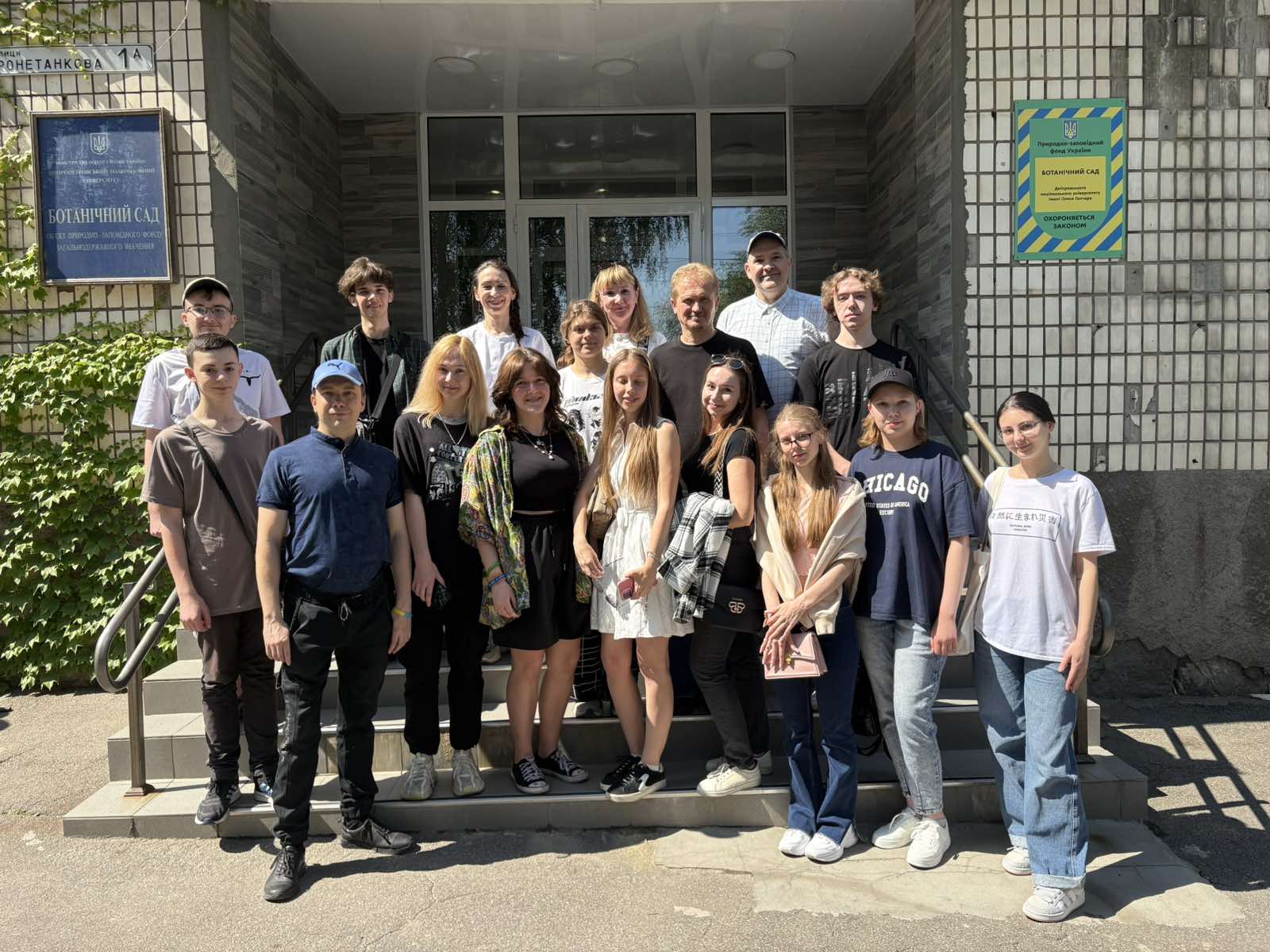
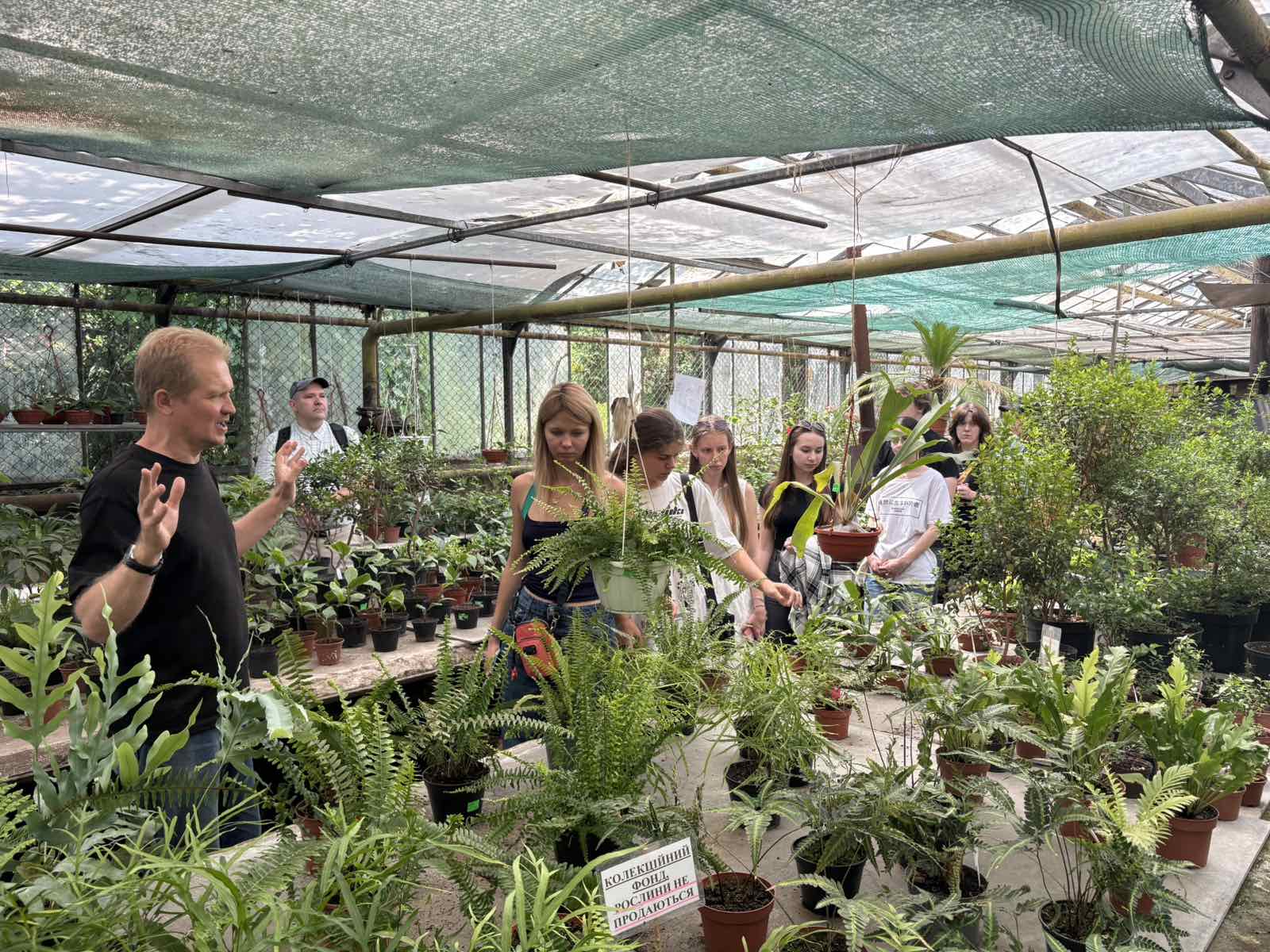
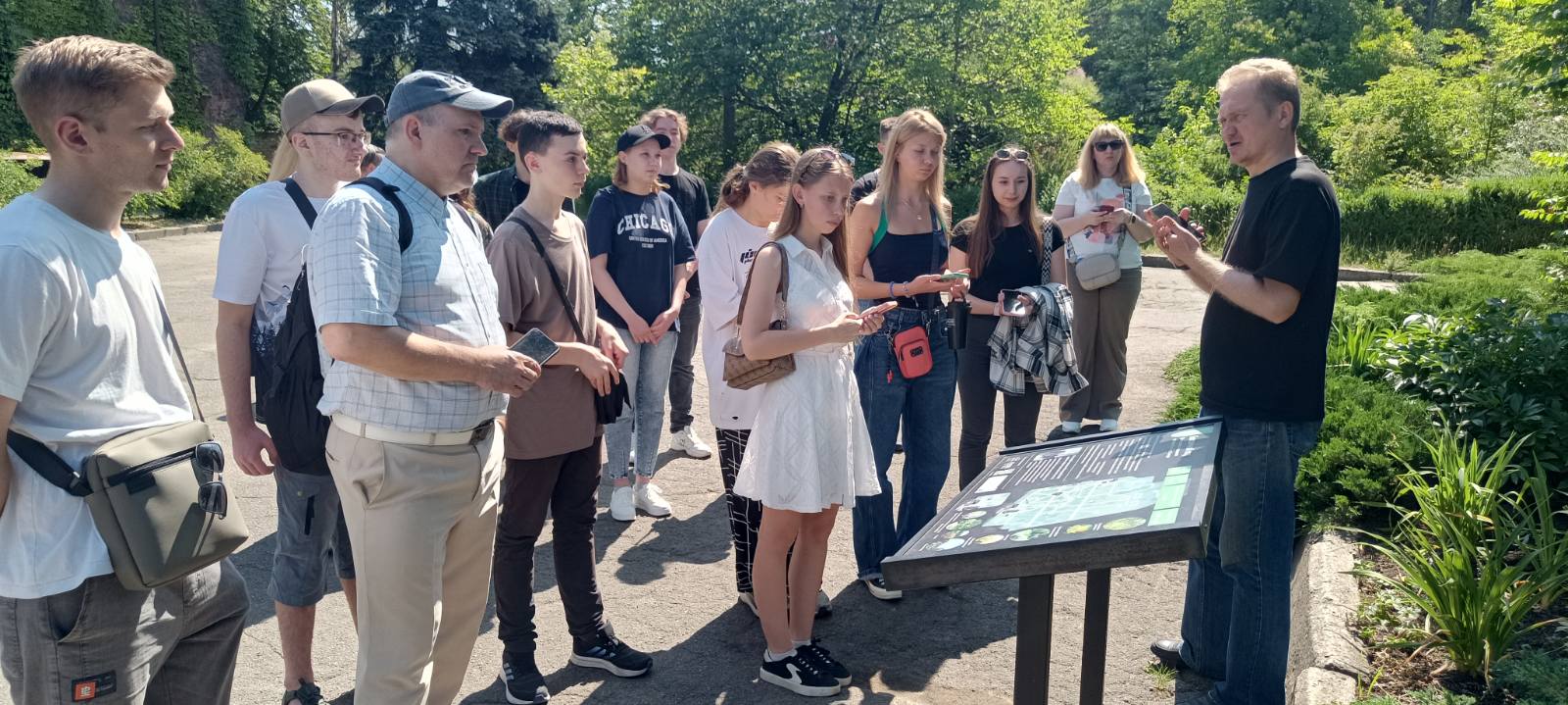
On 17 June 2025, ecology students from Dnipro Polytechnic National Technical University went on a professional excursion to the botanical garden of Dnipro National University named after Oles Honchar. The event was organised as part of the Jean Monnet project ‘European Union Standards for the Environmental Rehabilitation of Mining Lands’ (ref. EUSERML-101085715, EU Erasmus+ Programme), which is being implemented at Dnipro Polytechnic National Technical University.
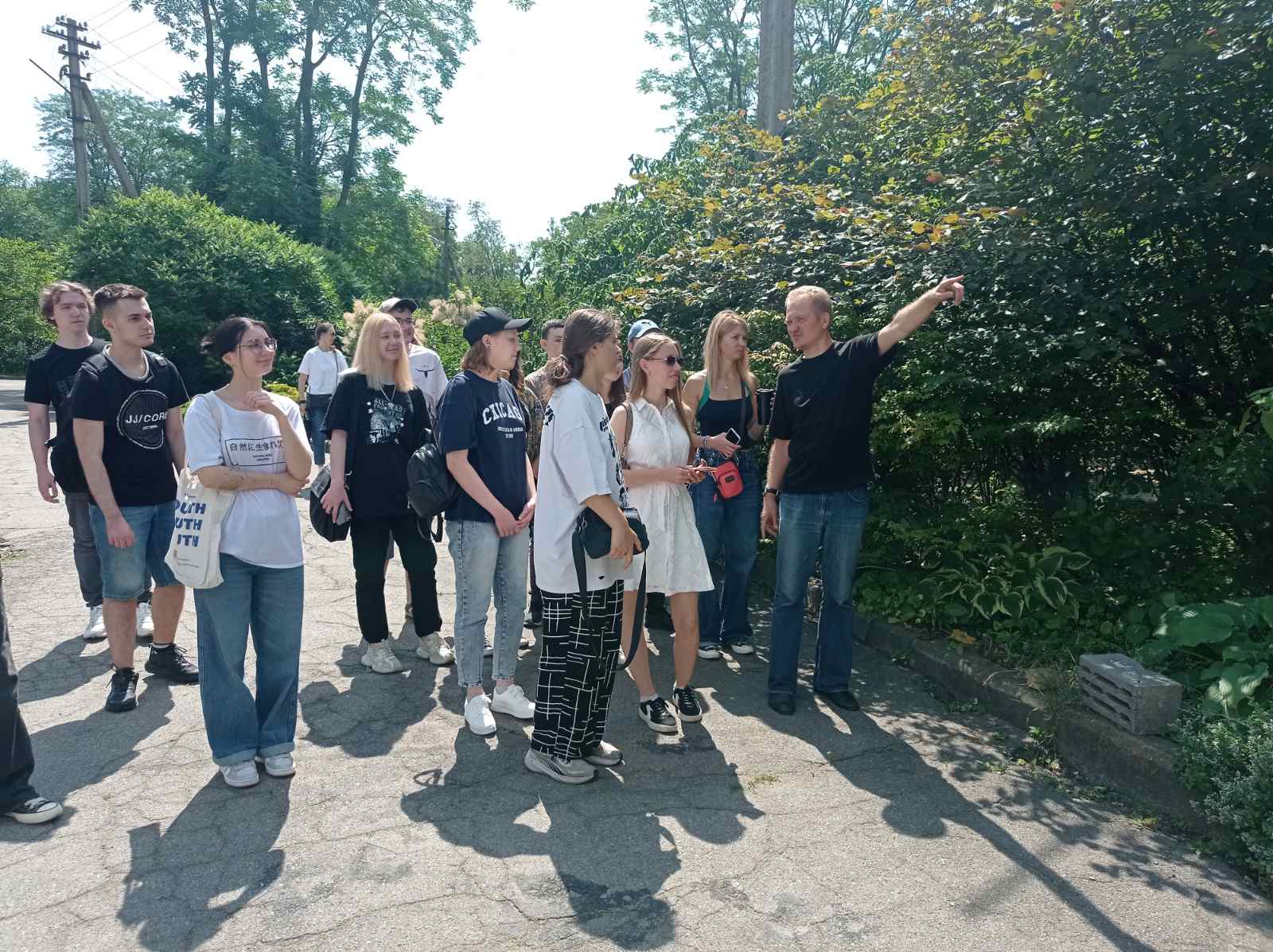
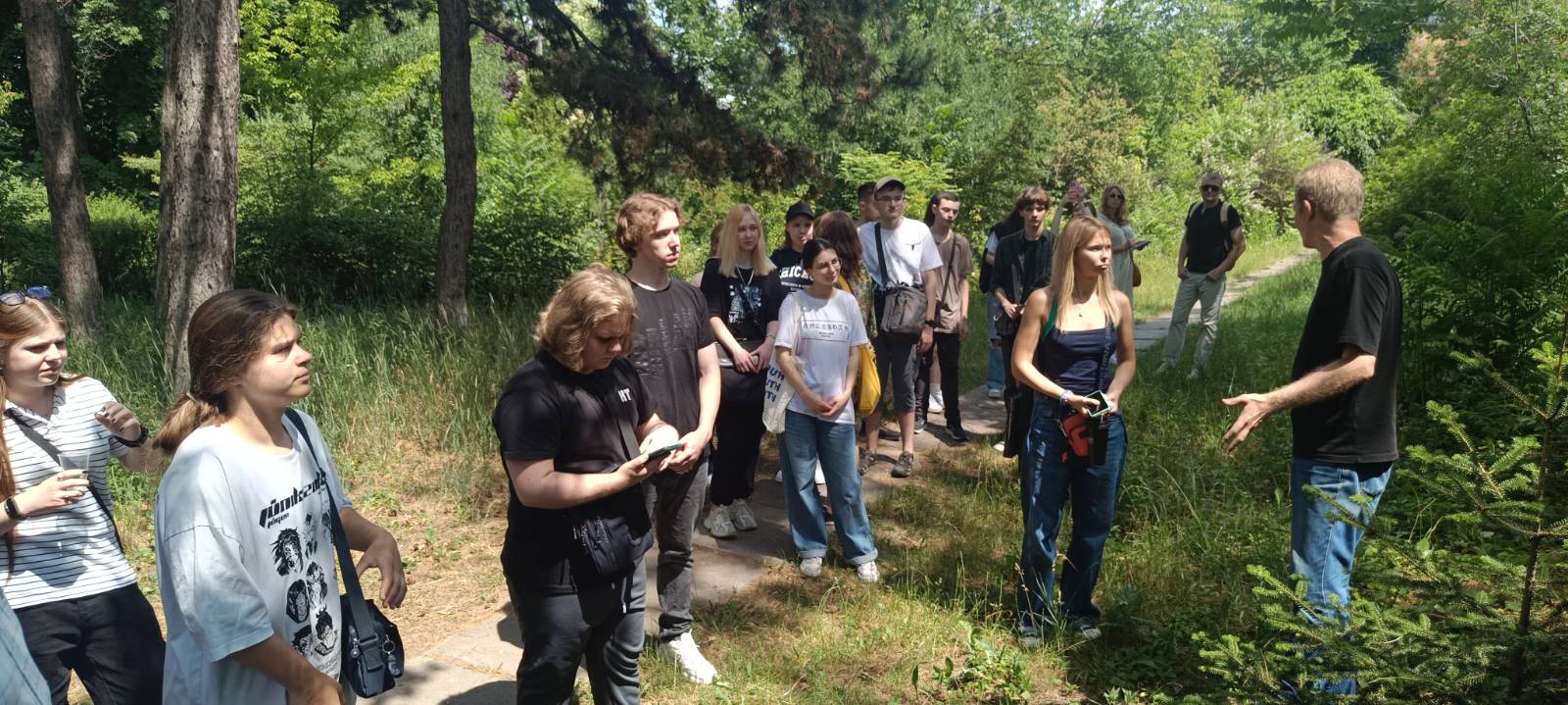
During the excursion, students learned about the floral diversity of dendroflora and ornamental crops, the principles of plant introduction and adaptation in the context of climate change, and exhibitions of ornamental, medicinal, rare and endangered plant species.
The director of the botanical garden, Anatoliy Kabar, gave students majoring in 101 ‘Ecology’ and 183 ‘Environmental Protection Technologies’ a detailed introduction to the history and features of the protected area, with its unique plants from Western and Eastern Asia, North America, and the Mediterranean.
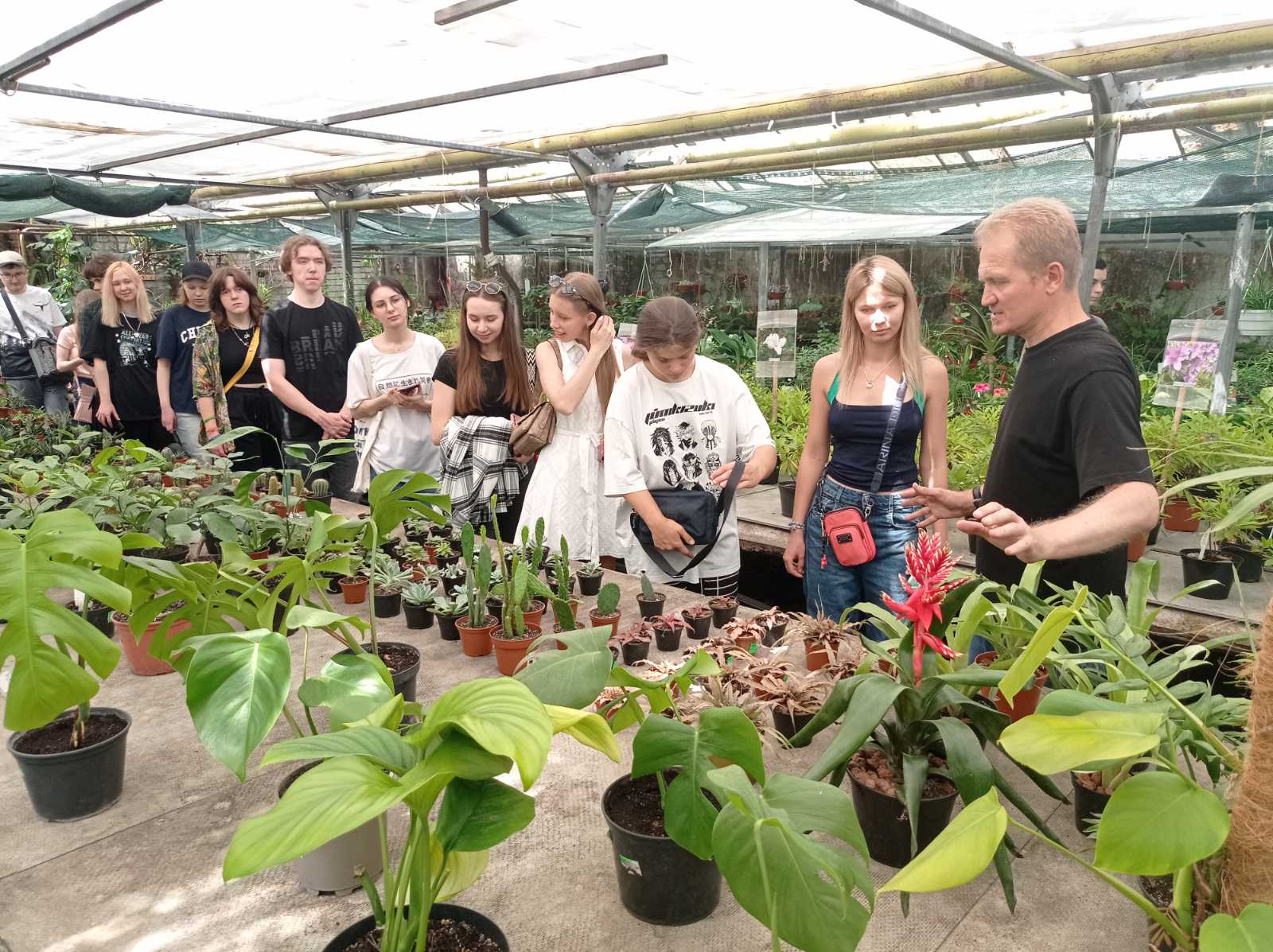
The students visited the greenhouse complex, where tropical and subtropical species grow, and examined methods of preserving biodiversity and creating ecologically stable plantings. Future ecologists studied new plant species with interest, took photographs for their own herbariums, and discussed the possibilities of applying botanical knowledge in phytoremediation, greening, and landscape design.
The students were particularly interested in the introduced tree species: Ginkgo biloba – a ‘living fossil’ species, the only representative of its family, which has valuable medicinal properties. Metasequoia glyptostroboides – a rare deciduous coniferous tree that until recently was considered extinct. Japanese pagoda tree (Styphnolobium japonicum) – an ornamental tree with healing properties, actively used in landscaping. The exotic and tropical species in the greenhouses were also impressive, in particular the collections of tropical epiphytic orchids of the Phalaenopsis and Cattleya genera, ferns and palms, which create a moisture-loving tropical microclimate in the greenhouses.
The section of the botanical garden with plants used for biological recultivation and restoration of disturbed mining and contaminated lands was of particular interest to ecology students. Such phytoremediation plants are capable of accumulating heavy metals (zinc, cadmium, lead), reducing soil toxicity and promoting the restoration of the structure and fertility of degraded lands.
The students showed considerable interest in learning about the amazing world of plants. We hope that the theoretical knowledge gained during the excursion will be put into practice in the professional activities of young ecologists and scientists.
|
© 2006-2026
Інформація про сайт